Chapter 2: Design Methods
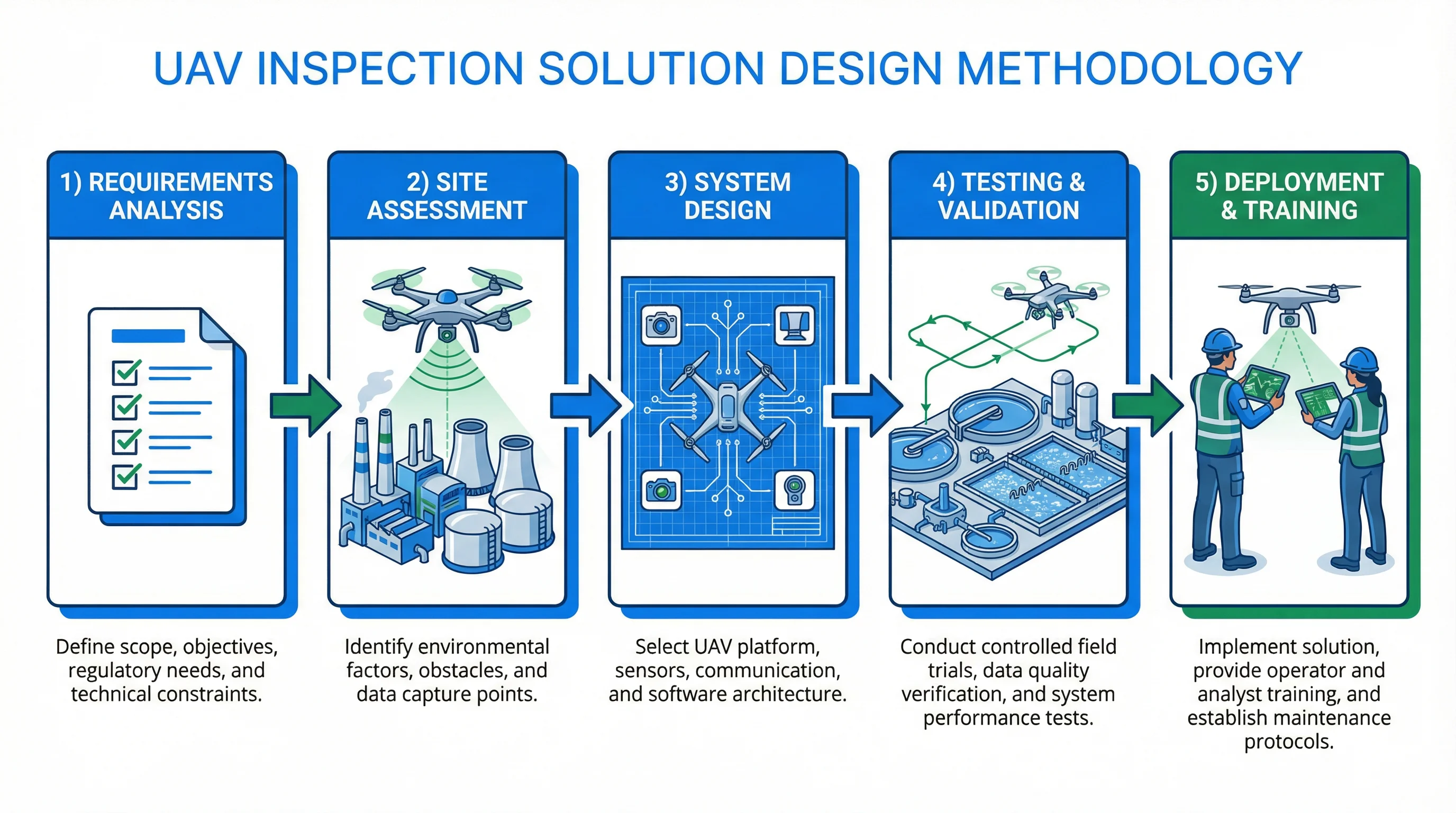
Figure 2.1: UAV Inspection Solution Design Methodology - Five-stage process from requirements analysis to deployment
Design Principles
The solution design follows four fundamental principles that ensure system effectiveness and reliability. First, the modular architecture principle enables flexible configuration and easy maintenance by separating system functions into independent, replaceable modules. Second, the redundancy principle implements backup mechanisms for critical components including power, communication, and data storage to prevent single points of failure. Third, the scalability principle ensures the system can accommodate future technological advances and expanding operational requirements through standardized interfaces and open protocols. Fourth, the user-centric principle prioritizes operator experience through intuitive interfaces, automated workflows, and comprehensive training support.
Common Failure Causes and Analysis
Understanding potential failure modes is essential for robust system design. Environmental factors including strong winds, heavy rain, and extreme temperatures can compromise flight stability and sensor performance. Communication interruptions due to terrain obstacles, electromagnetic interference, or network congestion can result in data loss or control signal delays. Power system failures from battery degradation, charging malfunctions, or excessive power consumption can lead to premature mission termination. Sensor calibration drift over time can produce inaccurate measurements, while software bugs or hardware malfunctions can cause system crashes. Human errors in operation, maintenance, or data interpretation remain significant risk factors that require comprehensive training and procedural safeguards.
Core Design Logic
The design logic centers on creating a resilient, intelligent, and adaptable inspection system. At the hardware level, industrial-grade components withstand harsh environmental conditions while maintaining performance reliability. The software architecture implements layered processing where edge computing handles time-critical tasks and cloud platforms perform complex analysis. Data flow design ensures information moves efficiently from sensors through processing pipelines to end users with minimal latency. The system employs adaptive algorithms that adjust operational parameters based on real-time conditions, such as modifying flight altitude in response to wind speed or adjusting sensor sensitivity based on ambient light. Safety mechanisms including geofencing, automatic return-to-home, and emergency landing protocols protect equipment and comply with aviation regulations.
Key Design Dimensions
Several critical dimensions guide design decisions throughout system development. Performance dimensions include flight endurance, sensor resolution, data transmission bandwidth, and processing speed. Reliability dimensions encompass mean time between failures, redundancy levels, and fault tolerance capabilities. Safety dimensions address collision avoidance, emergency response, and regulatory compliance. Usability dimensions focus on interface design, automation level, and training requirements. Cost dimensions balance initial investment, operational expenses, and lifecycle maintenance. Environmental dimensions consider weather resistance, operating temperature range, and ecological impact. Integration dimensions ensure compatibility with existing infrastructure, data formats, and workflow processes.